

Falotani might sound like a trendy new dance move, but it’s actually a delicious dish that deserves a spot in your kitchen. This delightful culinary gem combines flavors and textures that’ll make your taste buds do a happy jig. If you’ve ever wanted to impress friends at dinner parties or simply elevate your weeknight meals, learning to cook falotani is your ticket to culinary stardom.
What Is Falotani?
Falotani is a vibrant dish celebrated for its rich flavors and versatility in various cuisines. This dish not only enchants taste buds but also serves as a stellar addition to any culinary repertoire.
Origin and History
Falotani traces its roots to the Mediterranean region, where diverse cultures contributed to its unique characteristics. Ancient recipes reflect the merging of flavors from Arabic, Greek, and Italian influences. Culinary historians note that it gained popularity in the 19th century, evolving over time with various techniques. Local ingredients often shape the preparation, making falotani a dish that embraces regional diversity. Today, home cooks and chefs alike appreciate its adaptability and creativity.
Cultural Significance
In many cultures, falotani symbolizes hospitality and community. Serving this dish during family gatherings or festive occasions highlights its role in bringing people together. Many consider falotani an expression of tradition, as recipes often pass down through generations. Variations of falotani can signify regional pride, showcasing local ingredients and culinary practices. Celebratory meals often feature falotani, emphasizing its importance in fostering connections among diners.
Ingredients for Cooking Falotani
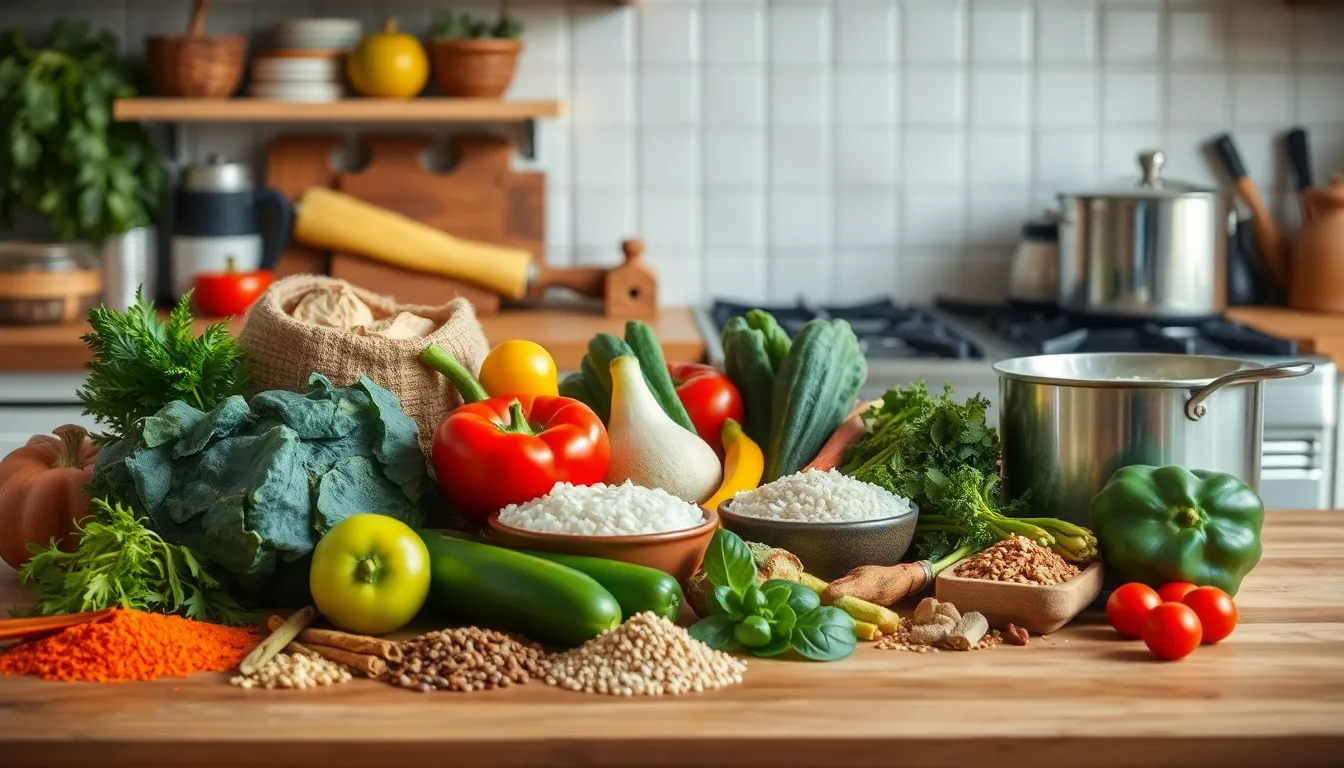
Gathering the right ingredients is crucial for a successful falotani dish. The following components enhance its authentic flavors.
Essential Ingredients
- Rice serves as the base, often using long-grain varieties for better texture.
- Fresh vegetables like bell peppers, onions, and tomatoes add brightness and crunch.
- Choose spices such as cumin, paprika, and coriander to infuse richness into the dish.
- Lean protein like chicken or lamb contributes heartiness and depth of flavor.
- Olive oil provides an essential fat, enhancing the dish’s overall taste.
Optional Ingredients
- Herbs like parsley and mint can introduce an aromatic freshness that elevates the dish.
- Nuts such as almonds or pine nuts offer a pleasant crunch and added nutrition.
- Dried fruits like raisins or apricots create a sweet contrast, adding complexity.
- Yogurt can serve as a garnish, providing creaminess and balancing spices.
- Lemon juice adds acidity, brightening the overall flavor profile of falotani.
Step-by-Step Guide to Cooking Falotani
Cooking falotani involves straightforward steps that highlight its rich flavors. Follow this guide for an authentic experience.
Preparation
Begin by rinsing long-grain rice under cold water to remove excess starch. Next, chop fresh vegetables such as bell peppers, onions, and tomatoes into bite-sized pieces. Gather spices like cumin, paprika, and coriander in a small bowl to create a flavorful blend. If using proteins, trim chicken or lamb into suitable portions. Measure out olive oil for cooking and have optional herbs, nuts, dried fruits, yogurt, and lemon juice on hand for added flavor. All ingredients should be fresh and ready for a seamless cooking process.
Cooking Process
Heat olive oil in a large pan over medium heat to create a base for cooking. Sauté the chopped vegetables until they become tender and fragrant, approximately 5 to 7 minutes. Add the rinsed rice to the vegetables, stirring to combine and toast slightly for 2 minutes. Incorporate the spice mixture by sprinkling it over the rice and vegetables, ensuring even distribution. Pour in water or broth, cover the pan, and simmer until the rice absorbs the liquid and is cooked through. If adding proteins, include them at this stage for a complete dish. Once everything cooks, fluff the rice gently before serving, and enjoy the array of textures and flavors in falotani.
Tips for Perfecting Your Falotani
Mastering falotani involves avoiding common pitfalls and exploring delightful variations. Focusing on precise cooking techniques greatly enhances the final dish.
Common Mistakes to Avoid
Rinsing rice properly prevents a sticky texture. Ignoring this step leads to clumps. Adding too much water dilutes flavors; balancing liquid is crucial. Overcooking vegetables results in loss of freshness; sauté them just until tender. Skipping spices hinders flavor depth; incorporate them thoughtfully throughout the process. Not tasting during cooking prevents adjustments, so check seasonings along the way. Mismanaging cooking times for proteins affects overall texture; ensure proteins are cooked separately and added at the appropriate stage for optimal results.
Variations and Serving Suggestions
Experimenting with ingredients introduces new dimensions. Substituting quinoa or couscous for rice offers a gluten-free alternative. Including different proteins, like shrimp or chickpeas, meets diverse dietary preferences. Adding locally sourced vegetables showcases seasonal flavors. For a touch of sweetness, incorporating dried fruits like raisins or apricots enriches the dish. Serving falotani with a side of tangy yogurt or a fresh salad enhances the meal experience. Garnishing with fresh herbs like parsley or mint elevates presentation and flavor.
Falotani is more than just a dish; it’s a celebration of flavors and cultures. By mastering this recipe, anyone can elevate their culinary skills and impress family and friends alike. The versatility of falotani allows for endless creativity in the kitchen, inviting cooks to experiment with different ingredients and techniques.
Whether it’s a weeknight dinner or a festive gathering, falotani stands out as a dish that brings people together. Its rich history and cultural significance make it a meaningful addition to any meal. With the right approach and attention to detail, anyone can create a delicious falotani that reflects their personal touch. Embrace the journey of cooking falotani and enjoy the delightful flavors it brings to the table.


