

In a world where fast fashion reigns supreme, sustainable fashion influencers are the stylish rebels shaking things up. They’re not just here to make a statement; they’re on a mission to save the planet one chic outfit at a time. Imagine scrolling through your feed and finding not only jaw-dropping looks but also tips on how to shop ethically. It’s like a fashion show and a TED Talk rolled into one!
These influencers are proving that being eco-friendly doesn’t mean sacrificing style. From thrift flips to capsule wardrobes, they inspire followers to rethink their shopping habits while looking fabulous. So, if you’re ready to swap your closet clutter for a more sustainable wardrobe, buckle up! The journey to eco-chic fashion starts here, and trust us, you won’t want to miss the ride.
Overview of Sustainable Fashion Influencers
Sustainable fashion influencers play a crucial role in reshaping the fashion landscape by promoting eco-friendly practices. They inspire followers to embrace ethical and sustainable choices in their wardrobes.
Definition of Sustainable Fashion
Sustainable fashion refers to the design, production, and consumption of clothing with minimal environmental impact. This approach encompasses the use of eco-friendly materials, ethical labor practices, and waste reduction methods. By prioritizing durability over disposability, sustainable fashion advocates strive to create a circular economy in the fashion industry. Thrift shopping, upcycling, and supporting local artisans represent key components of sustainable fashion’s broader ecosystem. These practices enable individuals to contribute positively to their environment while still expressing their personal style.
Role of Influencers in the Fashion Industry
Influencers serve as vital connectors between brands and consumers within the fashion industry. They leverage their platforms to educate their audiences about the importance of sustainability. By showcasing sustainable brands and practices, influencers encourage their followers to make conscious purchasing decisions. Additionally, they share practical tips like how to build a capsule wardrobe or shop secondhand effectively. The influence of these individuals extends beyond fashion choices, fostering a community focused on environmental awareness and ethical consumption. Their impact resonates, prompting discussions around ethical practices in fashion.
Popular Sustainable Fashion Influencers
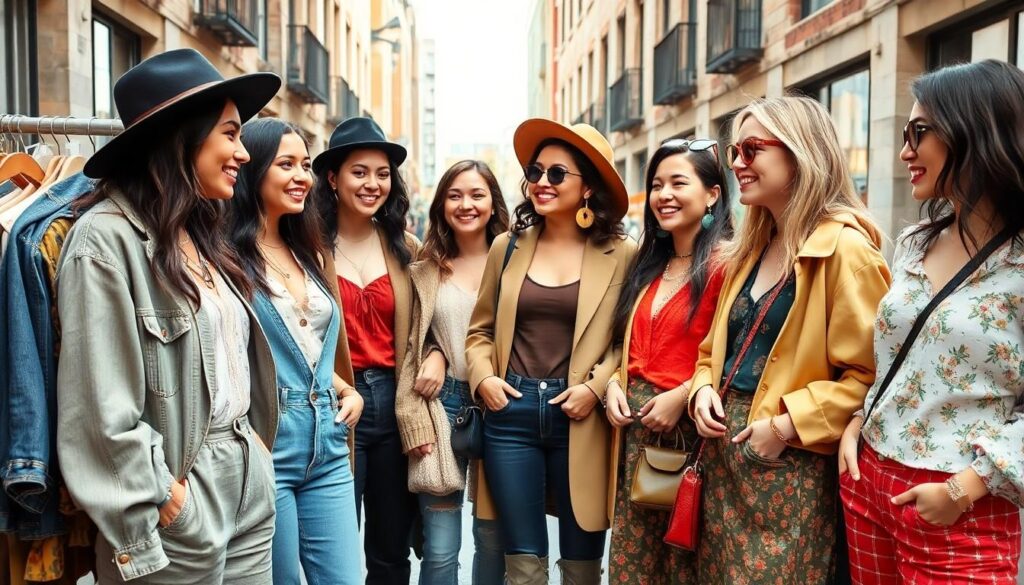
Emerging voices in sustainable fashion inspire change through eco-friendly choices. These influencers showcase innovative styles and promote conscious consumerism.
Notable Figures to Follow
Nadia Abulhaj, an advocate for thrifting, emphasizes the joy of secondhand shopping. Aja Barber focuses on the intersection of fashion and ethics, encouraging followers to consider the origins of their clothing. Kristen Leo promotes a minimalist wardrobe and offers tips on sustainable living. Valeria Lipovetsky blends fashion and wellness, sharing her journey towards a sustainable lifestyle. These influencers create relatable content, making sustainable choices accessible for everyone.
Their Impact on Sustainable Practices
Influencers reshape consumer behavior by raising awareness about sustainable fashion. They inform audiences about ethical brands and promote eco-friendly materials. Followers adopt practices like thrifting and upcycling thanks to their engaging content. Influencers also foster communities that prioritize sustainability, driving the conversation in mainstream fashion. Each post encourages conscious purchasing decisions, challenging fast fashion norms and inspiring a broader shift towards a more sustainable future.
Strategies Used by Sustainable Fashion Influencers
Sustainable fashion influencers employ various strategies to amplify their message and promote eco-conscious practices. These strategies focus on engagement and education within their communities.
Social Media Platforms
Instagram, TikTok, and YouTube serve as popular social media platforms for sustainable fashion influencers. Each platform allows influencers to showcase their unique styles while sharing tips on eco-friendly fashion. Influencers utilize Instagram stories and reels to present thrift hauls or styling ideas. TikTok offers short, engaging videos that capture viewers’ attention quickly. YouTube provides a space for in-depth discussions, tutorials, and lifestyle vlogs. This strategic use of multiple platforms helps expand their reach and connect with diverse audiences.
Content Creation and Marketing Tactics
Influencers prioritize authenticity and creativity in content creation. High-quality visuals showcase sustainable outfits and highlight eco-friendly brands effectively. They incorporate storytelling to illustrate personal journeys toward sustainable fashion. Collaborations with sustainable brands enhance credibility and visibility. Regularly engaging with followers through Q&A sessions and polls fosters community interaction. Educational posts on environmental impacts and shopping habits promote informed consumer choices. This combination of strategies bolsters their influence and drives momentum in the sustainable fashion movement.
Challenges Faced by Sustainable Fashion Influencers
Sustainable fashion influencers encounter various challenges while promoting eco-friendly practices in the industry.
Misconceptions About Sustainability
Many people underestimate the breadth of what sustainable fashion entails. Some think it’s solely about using organic materials, overlooking elements like ethical labor and reduced waste. Misinterpretations about cost are common; many assume sustainable clothing is prohibitively expensive. This belief can deter potential consumers from exploring sustainable options. Influencers frequently work to debunk these myths by showcasing affordable sustainable brands and sharing tips on thrifting or upcycling. Misconceptions create barriers that influencers strive to dismantle through educational content and relatable examples.
Balancing Authenticity and Commercialism
Influencers in sustainable fashion face the ongoing challenge of maintaining authenticity amid rising commercial pressures. They aim to collaborate with brands while ensuring alignment with their ethical values. Not all partnerships resonate with their audience, which can dilute their credibility. Trust remains pivotal, so influencers often choose collaborations selectively. Creativity gets harnessed as they weave sponsored content seamlessly into their stories, resonating with their followers. Striking this balance is crucial for sustaining their influence in a space that values genuine advocacy over mere promotion.
Conclusion
Sustainable fashion influencers are making a significant impact on the way consumers approach their wardrobes. By promoting eco-friendly practices and advocating for ethical consumption they inspire a shift towards a more responsible fashion industry. Their creative strategies and relatable content help demystify sustainable choices making them accessible to a wider audience.
Through their efforts they not only challenge fast fashion norms but also cultivate a community dedicated to environmental awareness. As they continue to share practical tips and showcase sustainable brands their influence will likely grow. This movement represents a promising step toward a future where fashion and sustainability coexist harmoniously.


